
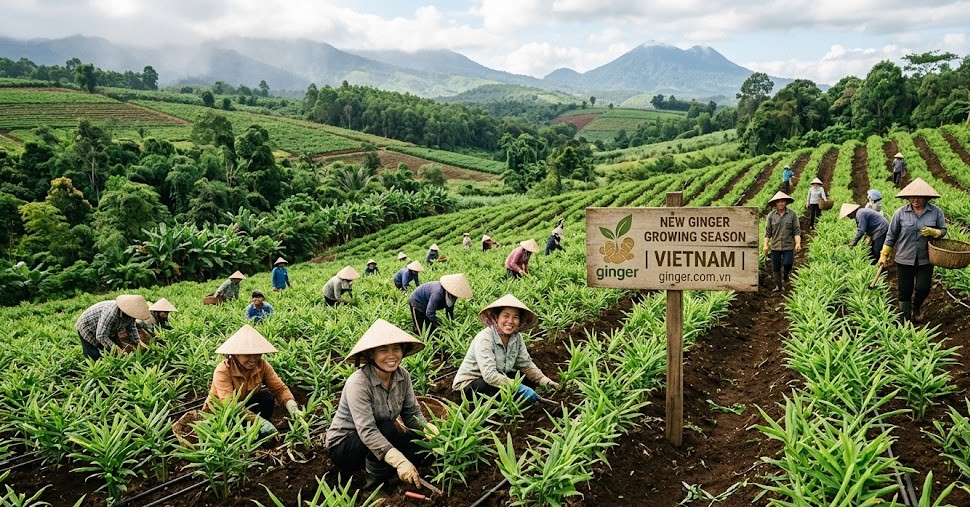
New ginger season in Vietnam 2026 is officially underway, drawing significant attention from agricultural experts, global importers, and supply chain managers. As one of the world’s rising hubs for high-quality spices, Vietnam’s upcoming harvest promises to meet the surging global demand for both fresh and processed ginger.
Among the country’s diverse agricultural zones, the Central Highlands stands out as the strategic heart of this new season.
Why the Central Highlands is the Focal Point of Vietnam’s Ginger Season?
As the first rains arrive across the Central Highlands of Vietnam, local farmers are preparing for the new ginger season in 2026. In the highland districts surrounding Ngoc Linh Mountain, ginger cultivation is more than a seasonal agricultural activity — it is becoming a sustainable livelihood solution connected to export markets, community development, and responsible farming practices.
As we enter the new ginger season in Vietnam 2026, several factors position this region as producer:
-
Perfect Climate and Altitude: With an average altitude of 500–800 meters above sea level and a distinct two-season climate (wet and dry), the Central Highlands offers the warm, humid environment that ginger thrives in.
-
Rich Basalt Soil: The fertile red basalt soil is rich in organic nutrients and boasts excellent drainage capability. This drastically reduces the risk of root rot, ensuring the ginger rhizomes grow large, plump, and disease-free.
-
High Essential Oil Content: Thanks to the unique soil chemistry of Central Highlands, the ginger harvested here is renowned for its intense aroma, sharp pungency, and higher concentration of gingerol compared to many other regional varieties.
These conditions create an ideal environment for sustainable ginger farming and support the development of export-quality ginger from Vietnam.
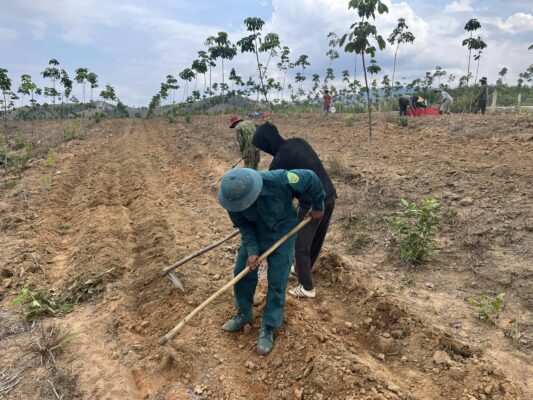
Timeline of the New Ginger Season in Vietnam 2026
For international buyers looking to secure their supply chains, timing is everything. The lifecycle of the new ginger season in Vietnam 2026 in the Central Highlands follows a strict agricultural calendar:
-
Planting Phase (Early 2026): Local farmers begin preparing the basalt soil and sowing the seeds between February and April, right at the onset of the early rains.
-
Growth and Maintenance (May – October 2026): The crops grow intensely during the rainy season. This period requires meticulous organic fertilization and pest control to monitor root health.
-
Harvest Phase (Late 2026 – Early 2027): * Young Ginger: Harvested around August – September for pickling and immediate consumption.
-
Mature Ginger: The main harvest occurs from November 2026 through January 2027 (lasting 8–10 months from planting). This is when the ginger reaches peak maturity, ideal for exporting fresh, drying, or powder processing.
-
New Ginger Season in DATO
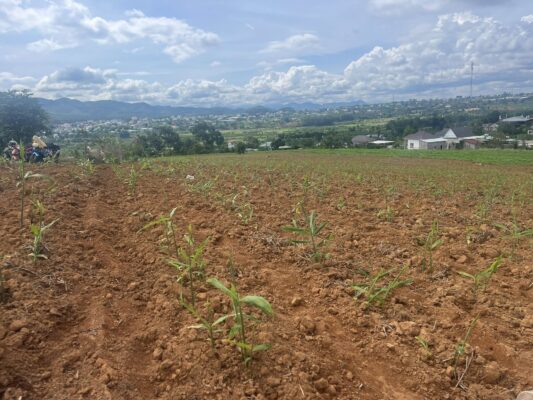
DATO continues to work closely with local farming communities during the new ginger season in Vietnam 2026.
Founded as a social impact enterprise, DATO combines agricultural development with community empowerment. The company currently collaborates with more than 500 farming households, around 70% of whom are ethnic minority farmers, to develop sustainable spice and medicinal herb cultivation areas in the Central Highlands.
For the 2026 season, DATO is expanding its support activities through:
- Ginger seed distribution
- Sustainable farming guidance
- Organic-oriented cultivation practices
- Export quality management
- Post-harvest processing support
- Long-term purchasing partnerships
This farming model helps farmers reduce dependency on low-value crops while improving household income stability.
Ginger Farming as a Sustainable Livelihood Model
In recent years, many farmers in the Central Highlands have gradually shifted from traditional low-income crops toward ginger cultivation.
Compared with some conventional crops, ginger offers several advantages:
- Better market demand
- Strong export opportunities
- Flexible harvest cycles
- Higher value per cultivation area
- Compatibility with sustainable farming systems
Most importantly, ginger farming can contribute to reducing pressure on forest resources by creating more stable agricultural livelihoods for rural communities.
For DATO, the new ginger season is not only about production growth. It is also about building a responsible agricultural ecosystem where economic development goes hand in hand with social and environmental impact.
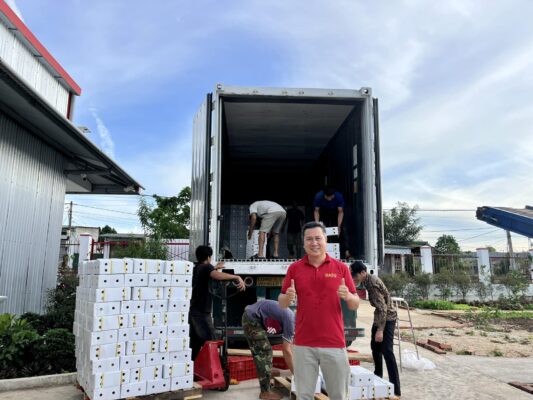
Export Opportunities for Vietnamese Ginger in 2026
Vietnamese ginger is increasingly recognized for its strong aroma, natural cultivation methods, and reliable supply capacity.
With modern washing systems, cold storage facilities, drying technology, and export-standard processing capabilities, DATO has successfully exported ginger products to multiple international markets, including the United States, Australia, South Korea, the Middle East, and other demanding export destinations.
The company is also investing in deeper processing solutions, including ginger honey concentrates and herbal wellness products that create added value for local agricultural resources.
Conclusion
The new ginger season in Vietnam 2026 marks an important new chapter for sustainable agriculture in the Central Highlands.
Through partnerships with local farmers and investment in responsible agricultural value chains, DATO continues to demonstrate how ginger cultivation can generate both economic value and positive social impact.
As the fields begin a new season, the story of Vietnamese ginger is also entering a promising new stage — one rooted in sustainability, community empowerment, and global opportunity.

