
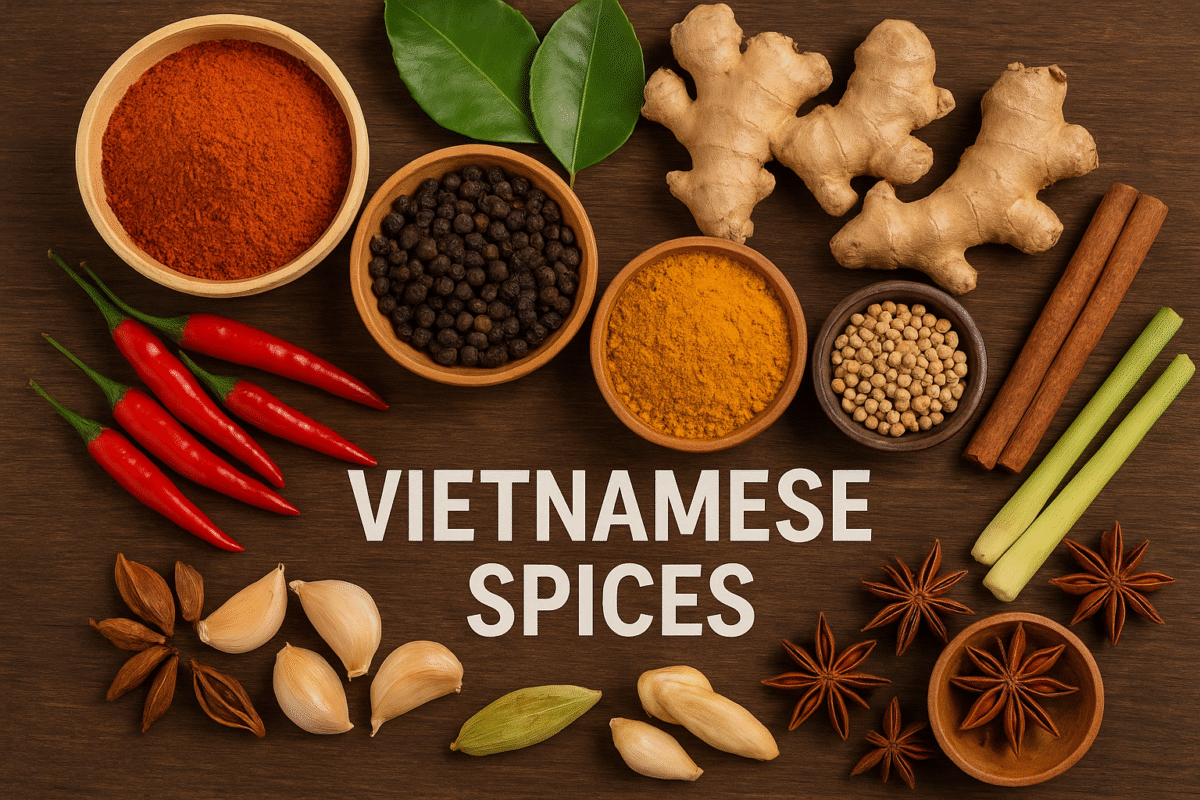
In recent years, Vietnam spice exports have become one of the most dynamic sectors in the global agricultural landscape. From ginger, turmeric, pepper, and cinnamon to indigenous medicinal herbs, Vietnam possesses not only abundant raw materials but also advantages in climate, soil, and long-standing cultivation experience. With global consumers increasingly favoring natural, clean, traceable products, Vietnam spice exports are entering a period of strong growth.
Vietnam spice exports: Why continue to grow?
Vietnam exports a wide variety of spices, with black pepper as the key product, and export turnover in 2024 is expected to exceed USD 1.3 billion. Major export markets include the U.S., EU, India, Japan, South Korea, Taiwan, and other European countries, along with emerging markets such as the United Kingdom. Besides black pepper, other spices are also strongly exported, including ginger, turmeric, chili, cinnamon, star anise, cardamom, and nutmeg.
Global culinary trends are shifting toward natural, health-friendly ingredients, creating enormous opportunities for Vietnam spice exports. Consumers in Europe, the U.S., Japan, and South Korea value tropical spices with rich flavors and high medicinal properties. In response, many Vietnamese enterprises have expanded raw material zones and upgraded processing technologies to meet strict international standards such as ISO, HACCP, and FDA.
At the same time, the shift toward sustainable agriculture such as organic farming and VietGAP cultivation has enhanced the competitiveness of Vietnam spice exports. This aligns well with ESG standards increasingly prioritized by major markets.
Vietnam’s Strengths in the Global Spice Sector
Vietnam is home to more than 4,000 plant species that can be used as spices and medicinal ingredients, creating a uniquely diverse raw material ecosystem. Several products have gained strong global positioning:
-
Vietnamese pepper has long ranked No.1 in global export volume.
-
Cinnamon and star anise are among the top three in the world.
-
Ginger, turmeric, lemongrass, and chili are in high demand among global food and herbal processing companies.
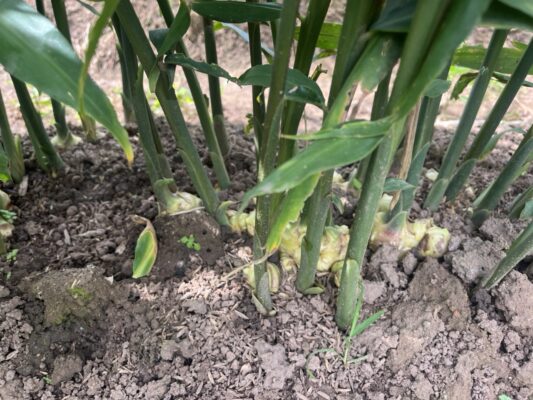
Thanks to this rich ecosystem, Vietnam spice exports now include not only raw agricultural products but also deeply processed items such as extracts, instant powders, syrups, and essential oils—helping increase value and reduce dependence on volatile raw material prices.
Consumer Trends Fueling the Growth of Vietnam Spice Exports
Market reports show that demand for natural spices is expected to grow at least 5–6% annually. Key trends include:
-
Preference for natural products with no additives
-
Growing interest in health-supporting spices such as ginger, turmeric, and cinnamon
-
Emphasis on sustainability: transparent sourcing, stable incomes for smallholder farmers
-
Rising demand for deeply processed products suitable for food manufacturing
These trends are accelerating the shift of Vietnam spice exports from raw materials to high-value, technology-driven products that meet global standards.
Main Exported Spice Products
-
Black Pepper: The flagship export product, expected to reach over USD 1.3 billion in 2024, with the U.S. being the largest market.
-
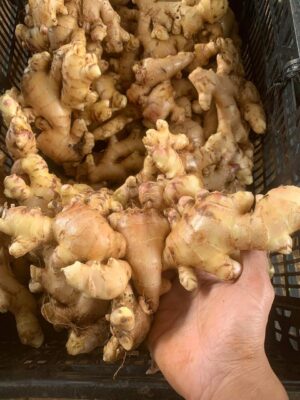
Ginger and Turmeric: Export turnover reached USD 49.3 million in 2023, with main markets including China, Bangladesh, India, Laos, and the U.S.
-
Chili: 10,173 tons of dried chili exported in 2023, mainly to China and Laos.
-
Cardamom and Nutmeg: 3,551 tons exported, with turnover of USD 27.4 million in 2023.
-
Turmeric Powder: Export turnover reached USD 9.8 million in the first nine months of 2023, focusing on the U.S., Japan, South Korea, Taiwan, and Europe.
DATO exports ginger spices to the United States, Australia, South Korea, and the Middle East
Within the broader picture of Vietnam spice exports, DATO stands out as a pioneer with internationally certified processed ginger products. Located at the foot of Ngọc Linh Mountain, DATO operates a modern facility equipped for washing, preliminary processing, slicing, drying, and quality inspection, all meeting ISO 22000:2018 and U.S. FDA standards. This enables the company to build a sustainable, transparent ginger supply chain from farm to finished product.
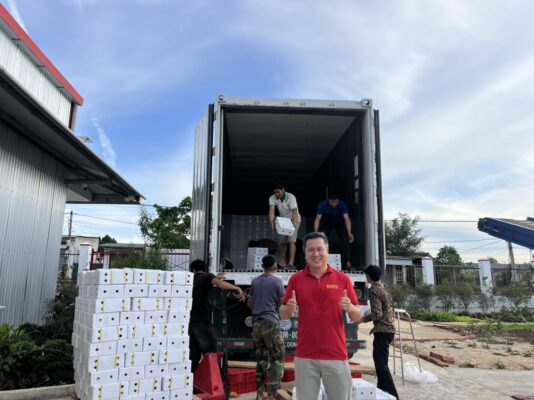
DATO’s ginger products are now exported steadily to several high-demand markets:
🇺🇸 United States
The U.S. imposes strict requirements on food safety and agricultural quality. DATO’s ginger meets rigorous standards for residue limits, traceability, and product consistency, earning strong trust from American importers—an important milestone in elevating Vietnamese ginger globally.
🇦🇺 Australia
Australia prioritizes natural, clean, and sustainably produced goods. DATO’s ginger—grown by women-led ethnic minority cooperatives—offers a unique advantage: technical quality combined with social value, aligning with Australia’s strong ESG orientation.
🇰🇷 South Korea
South Korea has a high demand for sliced, dried, and processed ginger used in food manufacturing and teas. DATO’s advanced drying technology preserves color, aroma, and active compounds far better than traditional methods, resulting in growing orders from Korean partners.
🌍 Middle Eastern Countries
The Middle East is one of the world’s largest consumers of spices. DATO’s ginger, known for its naturally bold, spicy aroma characteristic of Central Highlands ginger, fits well with regional culinary preferences and is expanding rapidly across this market.
Conclusion
With abundant indigenous resources, rising adoption of sustainable production models, and strong international market demand, Vietnam spice exports are entering a transformative phase. This presents a significant opportunity for Vietnamese enterprises to strengthen their global position, generate economic value, and contribute to the development of resilient, sustainable agricultural communities.

